
Background
Modern slavery is the recruitment, movement, harbouring or receiving of children, young people or adults through the use of force, coercion, and abuse of vulnerability, deception or other means for the purpose of exploitation. Individuals may be trafficked into, out of or within the UK, and they may be trafficked for a number of reasons, including sexual exploitation, forced labour, domestic servitude and organ harvesting.
The Modern Slavery Act came into force on 29 October 2015. It consolidated existing UK legislation on slavery, child labour and human trafficking. It defined slavery (which includes servitude and forced and compulsory labour) as existing when a person is ‘held’ or ‘forced’ against their will by another person who knows or ought to know that the other person is being held in slavery or servitude or forced to perform compulsory labour. It introduced an Anti-Slavery Commissioner, new measures to protect victims and stiffer penalties for those convicted.
Businesses with a turnover of more than £36 million and public bodies with a budget of more than £36 million or should publish an annual modern slavery statement.
The statement should explain steps taken that year to identify, prevent and mitigate modern slavery in our operations and supply chain.
Statements should cover actions in six specific areas. Currently, these are “recommended” areas to include, but will soon become legal requirements:
- Organisation and supply chain structure
- Policies on modern slavery and human trafficking
- Due diligence processes
- Risk assessment and management
- Key performance indicators to measure the effectiveness of steps being taken.
- Staff training on modern slavery and human trafficking
In preparing the modern slavery statement for 2025, consideration has been given to the following:
- Transparency in Supply Chairs – A Practical Guide (UK Gov)
- The previous Trust statement was approved by the Board in March 2024
- ICAEW guidance “The Modern Slavery Act: Actions for Internal Audit
- Review of risk of Modern Slavery and Human Trafficking in the NHS Supply Chain
- Lancashire Procurement Cluster (LPC) modern slavery and human trafficking statement
- KPMG – Modern Slavery Reporting
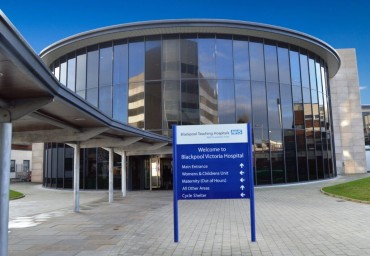
Blackpool Teaching Hospitals NHS Foundation Trust is a provider of local health care services for the population of Blackpool and Fylde and Wyre, plus the tertiary centre for Lancashire Cardiac Services.
We recognise our responsibility to ensure that our operations and supply chains are free from slavery and exploitation. Our commitment to combating modern slavery is embedded in our policies, procedures, and day-to-day practices.
We fully support the Government’s objectives to eradicate modern slavery and human trafficking and recognise the significant role the NHS plays in both combatting it and supporting victims of modern slavery and human trafficking. As the provider of health care services across the Fylde Coast, we believe there is no room in our society for modern slavery and human trafficking. We have a zero tolerance for modern slavery and breaches in human rights and will ensure this is built into the processes and business practices that we, our partners and our suppliers use. We are strongly committed to ensuring our supply chains and business activities are free from ethical and labour standards abuses.
We work closely with the Lancashire Procurement Cluster (LPC) on matters in relation to logistics and our supply chain – we have sought assurance from the LPC that they are taking appropriate steps in relation to their responsibilities for ensuring that suppliers adhere to a robust set of ethical values and principles.
Our Safeguarding Children and Safeguarding Adults policies incorporate sections on modern slavery. Modern slavery is referenced within the Safeguarding Children and Adults mandatory training from Levels 1-3, which applies to all staff employed by the Trust.
We have a robust policy detailing how the Trust effectively manages risks; our aim is to promote a risk awareness culture in which all risks are identified, assessed, understood and proactively managed. This will promote a way of working that ensures risk management is embedded in the Trust’s culture and becomes an integral part of the Trust’s objectives, plans, practices and management systems.
In assessing the potential risks in relation to modern slavery, we have taken into consideration the mitigations we have in place, which are described in this statement and the assurance both from our own policies and processes, alongside the assurance provided by our suppliers, key to which is the assurance from the LPC. However, Blackpool is an area of significant deprivation, and there is a risk that people living and travelling within the area we serve may be at risk, and it is therefore vital that our staff are aware of the risks through the training we provide on safeguarding.
We are committed to raising awareness and providing training to ensure front-line practitioners are aware of and able to respond to incidents of modern slavery.
Our staff must:
- Undertake Safeguarding training appropriate to their roles and responsibilities.
- Work with the procurement department when looking to work with new suppliers so appropriate checks relating to modern slavery can be undertaken.
- Follow the Local Safeguarding Board’s multi-agency policies and procedures.
- Respond and work collaboratively to support the health of survivors of modern slavery.
Safeguarding is every staff member’s responsibility, including keeping present and potential future victims of modern slavery and human trafficking safe. All staff can access support in this regard by contacting the Trust's Safeguarding team.
Our overall approach will be governed by compliance with legislative and regulatory requirements and the maintenance and development of best practice in the fields of contracting and employment. This includes but is not limited to:
- Reviewing our approach and publishing this annual statement outlining the steps we are taking to tackle modern slavery.
- Continuing to ensure that our recruitment processes are highly mature, requiring practices that adhere to safe recruitment principles. This includes strict requirements in respect of identity checks, work permits and criminal records. These practices will extend to any employment agencies used by the Trust.
- Our pay structure is derived from national collective agreements and is based on equal pay principles with rates of pay that are nationally determined. The Workforce Assurance Committee will hold the organisation to account in adhering to these standards and practices.
- The Trust’s Freedom to Speak Up Policy, which applies to all employees, consultants, contractors and agency staff who work for the Trust, is accessible via the Trust’s intranet site. Alternatively, concerns can be raised with the Trust’s Freedom to Speak Up Guardian.
- Regular Freedom to Speak Up reports are provided to the Workforce Assurance Committee, which includes an overview of the concerns raised by staff and the category they fall into.
- Ensuring our procurement processes provide assurance that organisations are taking relevant steps to adhere to the standards.
We will know the effectiveness of the steps that we are taking to ensure that slavery and/or human trafficking is not taking place within our business or supply chain if:
- No reports are received from our staff, the public, or law enforcement agencies to indicate that modern slavery practices have been identified.
- All recruitment is conducted in accordance with our policy, with the appropriate checks on immigration status and right to work.
- Assurance is sought from our key suppliers and partners that they have similar measures in place.
- Our staff are compliant with the appropriate level of safeguarding training and can demonstrate awareness of the actions to take if they have concerns that an individual or group of individuals may be victims of modern slavery.
In 2024/25, no concerns were identified by the Trust or brought to the Trust’s attention, indicating non-compliance with the Modern Slavery Act 2015. We intend to continue to identify, assess and monitor potential risk areas in terms of modern slavery and human trafficking, particularly in our supply chains.
This statement, which is made pursuant to section 54(1) of the Modern Slavery Act 2015, reflects our ongoing commitment to preventing modern slavery and human trafficking. We will continually review and improve our practices, working collaboratively with stakeholders to contribute to the broader efforts against modern slavery.
The Board of Directors has considered and approved this statement and will continue to support the requirements of the legislation.
Signed by James Wilkie, Chair, on behalf of the Board of Directors.