
Publish date: 28 August 2026
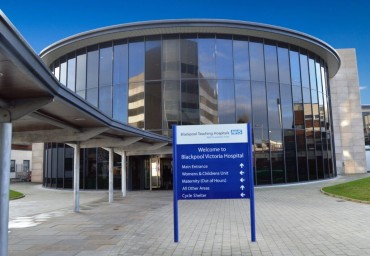
The Care Quality Commission (CQC) has upgraded the rating for urgent and emergency care at Blackpool Victoria Hospital, run by Blackpool Teaching Hospitals NHS Foundation Trust, from inadequate to requires improvement following an inspection from 24 to 26 November.
CQC carried out this inspection to assess whether the trust had made improvements since its previous inspection, when breaches of regulation were found relating to safe care and treatment, good management and staffing.
At this latest inspection, the service had made some improvements, however there were still continued breaches of regulation relating to staffing and good management. There was also a new breach for person centred care.
CQC have upgraded the ratings for safe and responsive from inadequate to requires improvement. Well-led has improved from inadequate to good, and effective has gone up from requires improvement to good. Caring has been re-rated as good.
Blackpool Victoria Hospital remains rated as requires improvement.
Gill Hodgson-Reilly, CQC deputy director of hospitals in the north west, said:
“When we inspected urgent and emergency care at Blackpool Victoria Hospital, we were pleased to see the trust had been working hard to make some improvements since the last inspection.
“Leaders had better oversight of the service, and they were knowledgeable about the challenges and priorities it faced. Also, staff told us that leaders were visible and approachable for them and those using the service, so people could feed back and help drive improvements, particularly around safety and flow through the department.
“The service had also received national recognition for its improvement work in the Health Service Journal (HSJ) patient safety awards.
“However, some improvements were still needed. For example, the service didn’t make sure there were enough qualified, skilled and experienced staff to always keep people safe. Leaders were aware of this and had plans in place to address it.
“We’ve shared our findings with the trust so they know where improvements must be made, and where there is good practice to build on. We will continue to monitor them to ensure this happens.”
Sam Westwell, Chief Nursing, AHP and Midwifery Officer at Blackpool Teaching Hospitals said:
"We welcome the CQC's recognition of the significant progress made within our Urgent and Emergency Care (UEC) services since the previous inspection.
“The report highlights improvements across a number of key areas, reflecting the hard work and commitment of our teams to delivering high-quality care for patients.
“Whilst we are encouraged by this progress, we recognise that there are still areas where further improvement is required. We acknowledge the recommendations relating to staffing, governance arrangements and ensuring privacy and dignity for patients during periods of exceptional pressure.
“Many of these areas have already been the focus of improvement work since the inspection in November 2025.
“We have continued to strengthen leadership oversight, workforce planning, training compliance and digital systems, and we will build on this momentum through a comprehensive action plan to address the remaining recommendations.
“We remain committed to providing safe, effective and compassionate care for every patient who comes through our doors."
Inspectors found:
- Staff worked well across teams and services. They made sure people only had to tell their story once, when moving between different services. This ensured continuity of care and so important decisions could be made in a timely way.
- The trust had improved processes to reduce the time people were waiting in the emergency department once it had been confirmed that they needed to be admitted onto a ward. In December 2024, 28% of people waited for more than 12 hours. This had reduced to 15% in November 2025.
- The service supported people to live healthier lives and where possible, reduced their future needs for care and support.
However:
- Some people felt they had received clear information about their care, treatment and next steps, but others felt communication could be improved.
- The service did not make sure that people could access the care, support and treatment they needed, when they needed it.
- The trust didn’t ensure there was enough private space available, so people were receiving personal care and having examinations in corridor areas. This compromised people’s privacy and dignity.
The report will be published on CQC’s website in the coming days.